
Blog
How Battery Energy Storage Systems Participate in Energy Markets and VPPs
The rapid expansion of renewable energy is changing how electricity systems operate. Solar and wind power can produce low-cost, low-carbon electricity, but their output varies with weather conditions and time of day. Meanwhile, electricity demand also fluctuates, creating a continuous need to balance supply and consumption.
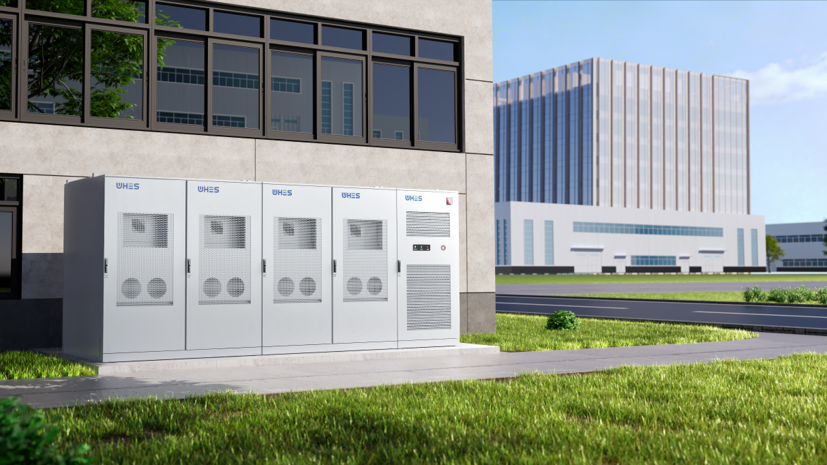
Against this backdrop, battery energy storage systems offer an effective solution. They allow business owners and energy project operators to participate in electricity markets and virtual power plants (VPPs), creating revenue opportunities through flexible charging, discharging, and grid services.
How Battery Storage Participates in Energy Markets
Today’s energy markets are becoming increasingly dynamic. Electricity prices may change significantly throughout the day as demand, renewable generation, fuel costs, transmission constraints, and unexpected system events vary. High solar production can push daytime prices downward, while strong evening demand or limited generation can cause prices to rise.
Battery energy storage systems can participate in this market environment in several ways. The first is energy arbitrage: a battery energy storage system charges when electricity prices are relatively low and discharges when prices are higher. For example, it may store inexpensive electricity in the afternoon and sell or use that electricity during the evening peak. The revenue comes from the price difference.
The second is demand response. Commercial, industrial, and residential customers may receive incentives to reduce their grid consumption during periods of high demand. Instead of shutting down important equipment, users can discharge a battery to supply part of their electricity needs. The revenue comes from program incentives or payments for reducing peak demand, while lower grid consumption may also help reduce demand charges.
In addition, battery storage can also provide ancillary services, which support the secure and reliable operation of the grid. These services may include frequency regulation, operating reserves, voltage support, and other balancing products.
How Battery Storage Participates in Virtual Power Plants
A virtual power plant, or VPP, is a digitally coordinated group of distributed energy resources. These resources may include household batteries, commercial storage systems, rooftop solar panels, electric vehicles, smart thermostats, and controllable industrial loads. Although the individual assets may be located in different places and owned by different customers, a VPP platform can manage them as a combined portfolio.
To participate in a VPP, a battery storage system provides an aggregator or digital platform with operational information. This may include its state of charge, available energy capacity, charging and discharging limits, expected availability, and technical constraints. The platform uses this information, together with electricity price forecasts, weather data, demand predictions, and grid signals, to coordinate the operation of participating devices.
For instance, the platform may instruct distributed BESS to charge during a period of abundant renewable generation. Later, it can coordinate their discharge when market prices rise or when the grid needs additional support.
Subject to local regulations and eligibility requirements, the aggregated resources may participate in electricity trading, ancillary-service markets, or demand response programs. The VPP operator submits bids, receives dispatch instructions, monitors asset performance, and verifies the services delivered. Revenue is then allocated to resource owners according to contractual arrangements and applicable market rules.
What Determines the Revenue Potential of Battery Storage?
The revenue potential of battery storage depends on several closely related factors. One of the most important is market price volatility. Energy arbitrage becomes more attractive when there is a large and frequent difference between low-price and high-price periods. Markets with growing renewable generation, sharp demand peaks, or occasional supply shortages may create more opportunities. However, greater volatility can also make forecasting and scheduling more difficult.
Another factor is battery performance. Usable capacity determines how much energy the battery can store, while its power rating determines how quickly that energy can be charged or discharged. Round-trip efficiency affects how much electricity is lost during a complete cycle. Battery degradation is equally important because frequent operation gradually reduces capacity and shortens the asset’s useful life. A profitable dispatch strategy must consider both immediate revenue and long-term battery health.
The third factor is dispatch flexibility, which is largely enabled by an energy management system. A battery that can respond quickly to prices, grid signals, and customer demand has more opportunities to create value. However, it must also respect state-of-charge limits, backup-power requirements, warranty conditions, and market commitments. An effective energy management system continuously evaluates these factors and selects an appropriate operating strategy.
The Role of WHES OS EMS
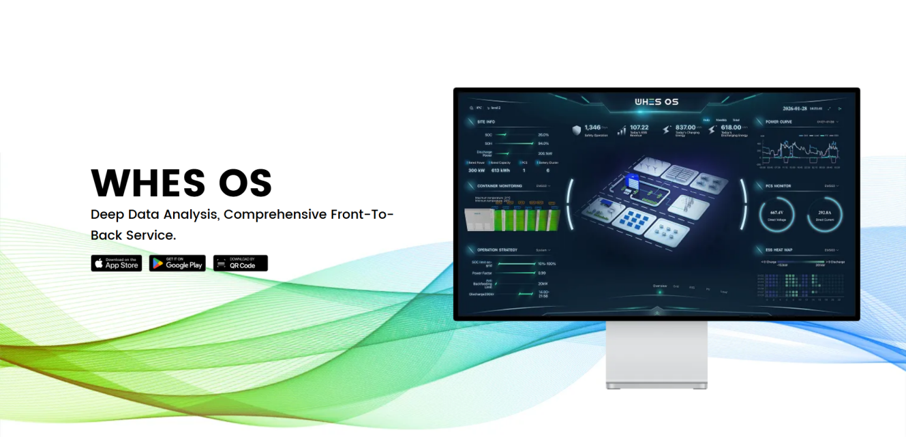
WHES OS is an intelligent energy management system that can serve as the operational intelligence connecting battery assets, electricity users, aggregators, VPP platforms, and energy markets.
WHES OS can support forecasting, dispatch optimization, multi-device coordination, and communication with external platforms. . The system features intent-understandingcapabilities and leverages Al algorithms to deliver day-ahead and intradayrolling forecasts. Through natura-language interaction, operators can issuecommands and generate optimal charge and discharge strategies within seconds. The system also pioneers strategy explainability and attributionplayback marking a fundamental shift from passive execution’ toproactive energy trading.Instead of operating batteries according to a fixed schedule, it enables decisions to be adjusted as market prices, loads, renewable production, and battery conditions change. This helps asset owners improve operational flexibility, manage degradation risks, and pursue suitable revenue opportunities while maintaining safe and reliable operation.
Conclusion
Battery storage is becoming an important participant in modern electricity systems. In energy markets, it can create value through energy arbitrage, demand response, and ancillary services. In a VPP, distributed batteries share operational data with an aggregation platform, which coordinates them and brings their combined flexibility into eligible markets and programs.
WHES OS EMS provide the monitoring, optimization, and coordination needed to convert battery flexibility into practical market value. As renewable generation and distributed energy resources continue to grow, intelligent energy management will play an increasingly important role in building a more flexible, efficient, and reliable power system.